Legend has it that Ingólfur Arnarson, upon arriving at Iceland, ripped the Öndvegissúlur (seat pillars) off of his longship in 874 AD and threw them into the sea. According to the traditions of the time the gods would guide the pillars to where he needed to settle. Three years later, he found the pillars washed ashore in a bay hazy with geothermal steam. Ingólfur named his settlement Reykjavik, smoky (reyka) bay (vik).
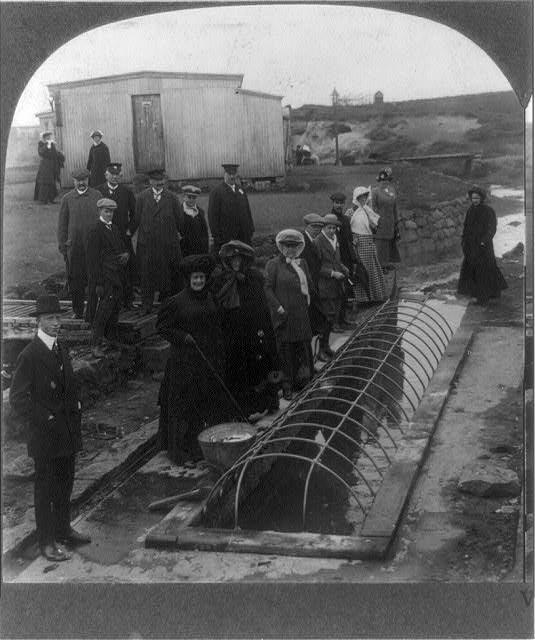
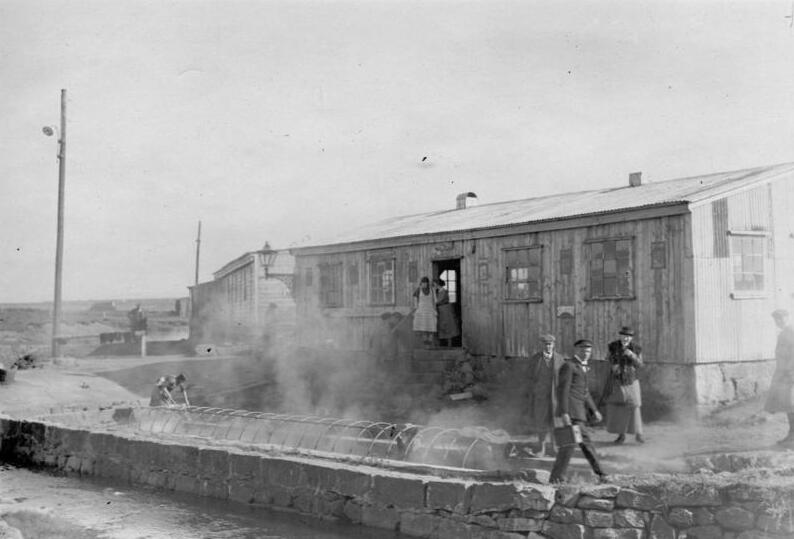
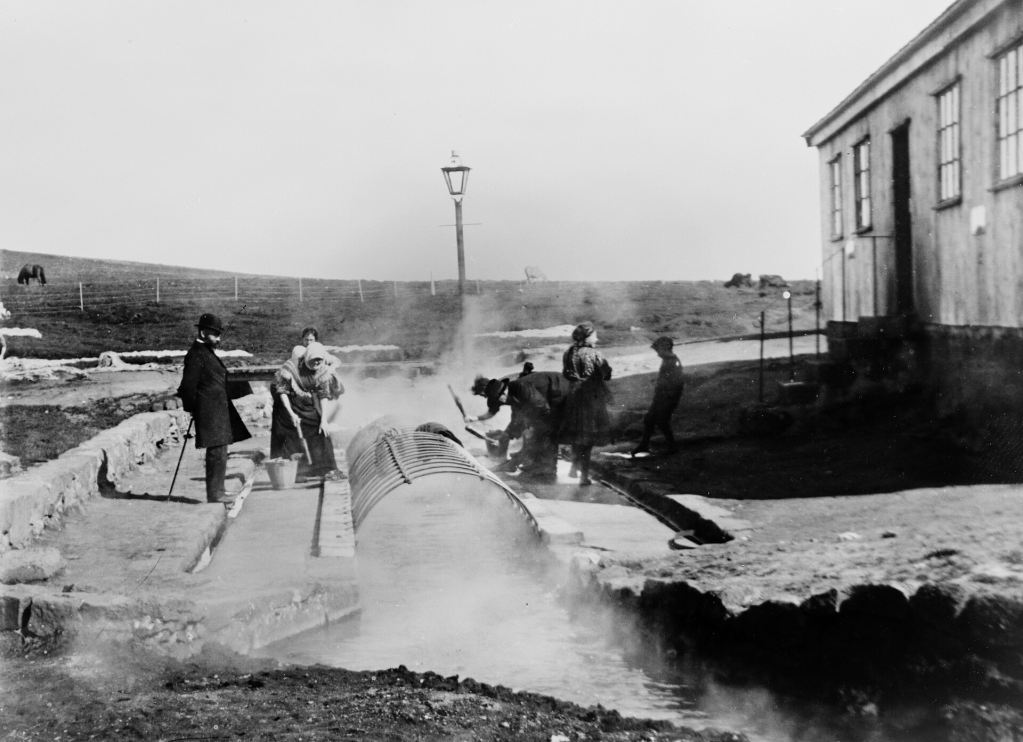
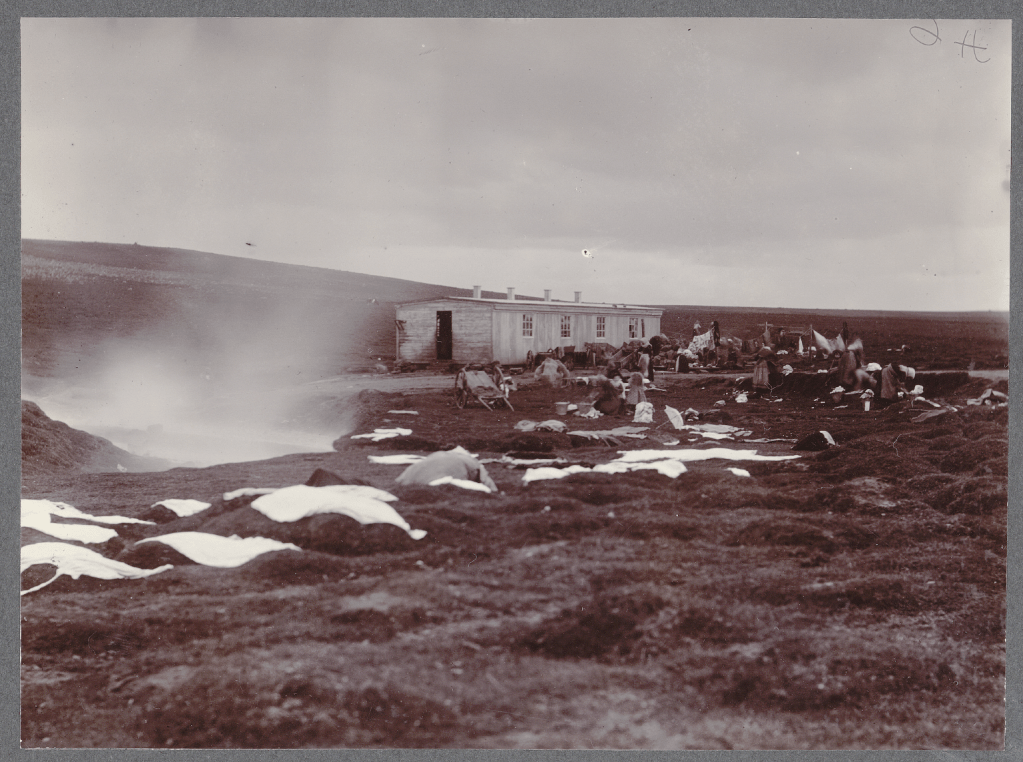
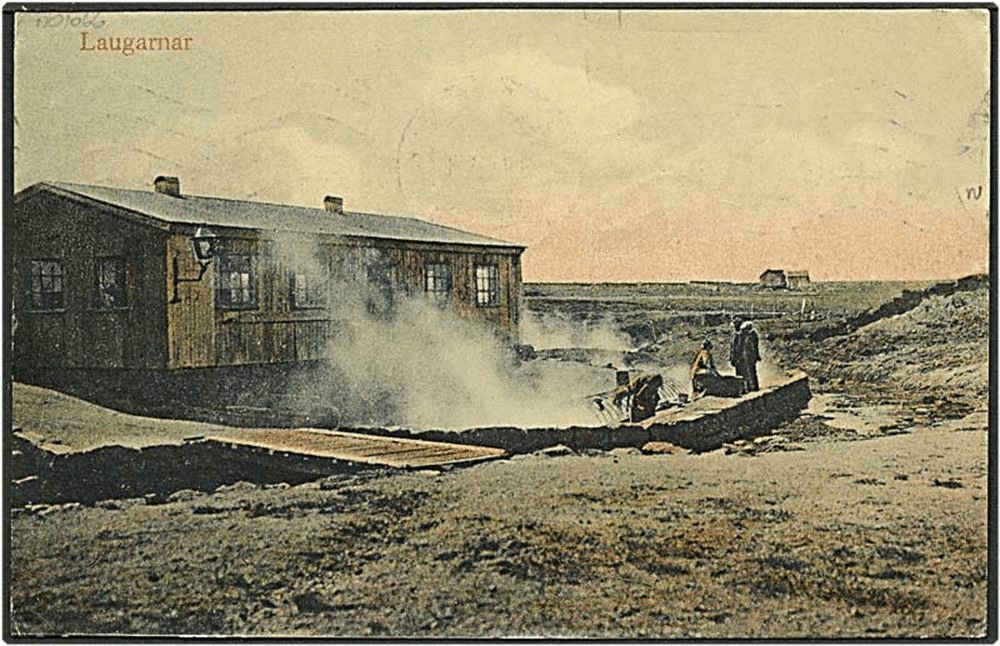
Reyjavik’s steam sourced from geothermal springs later named Laugarnar (The Pools). Back in the day, a path stretched to the pools from (a much smaller) Reykjavik named Laugavegur (path to the pools) that women carried laundry over. The postcard above, circa 1910, shows people at the geothermal pools washing clothes (as well as “the smoke” from the springs).
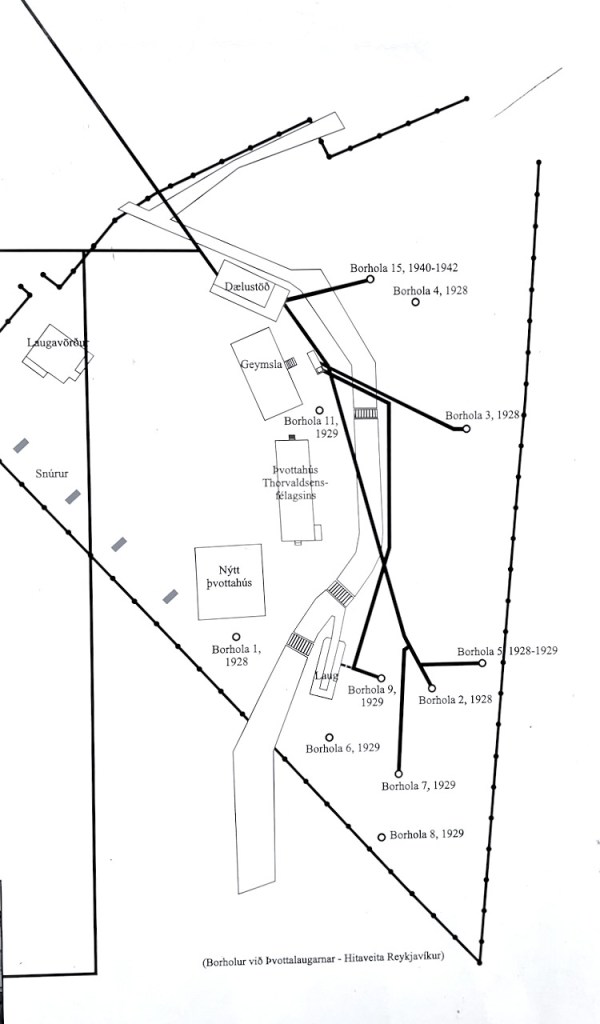
Around 1928, Reykjavik decided that it wanted to tap into its local geothermal resources for heating and hot water. Accordingly, they drilled wells in and around the springs as a source. Almost instantly, the hot springs failed. For a time, the city ran a pipe from the wells to the springs to provide hot water for washing. Originally, these wells flowed at the land surface with pressures 60 to 70 meters above land surface. However, as the pressure in the geothermal aquifer declined, the city began pumping water from the wells. Today, water levels in the geothermal aquifer are 50 meters below land surface. The hot springs that gave Reykjavik its name have been gone for nearly 100 years.
I was in Reykjavik (to see gusgus play their COVID-delayed 25th anniversary shows) when I received reviews on the first draft of the book I wrote on groundwater sustainability. The editors really wanted a chapter of international case studies, something I resisted since the reading required to prepare case studies would be formidable. However, I decided to write about the places I loved, regardless if I knew they had any groundwater management issues. And since I was in Iceland, I decided to poetically (or at least geographically) start my research on Iceland! On the flight home, I read about the plight of Reykjavik’s hot springs and arghh’d at the sky that I not learned about them soon enough to go see them when I was in Reykjavik the day before. However, due to a desire to see the total solar eclipse this year, I found myself back in Reykjavik with time to visit the springs (and Reykjavik’s famous cats)).
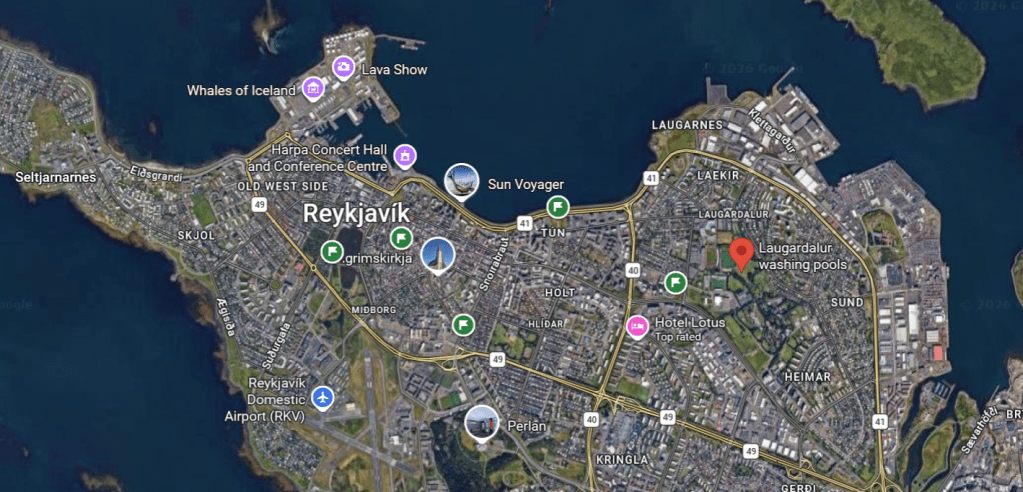
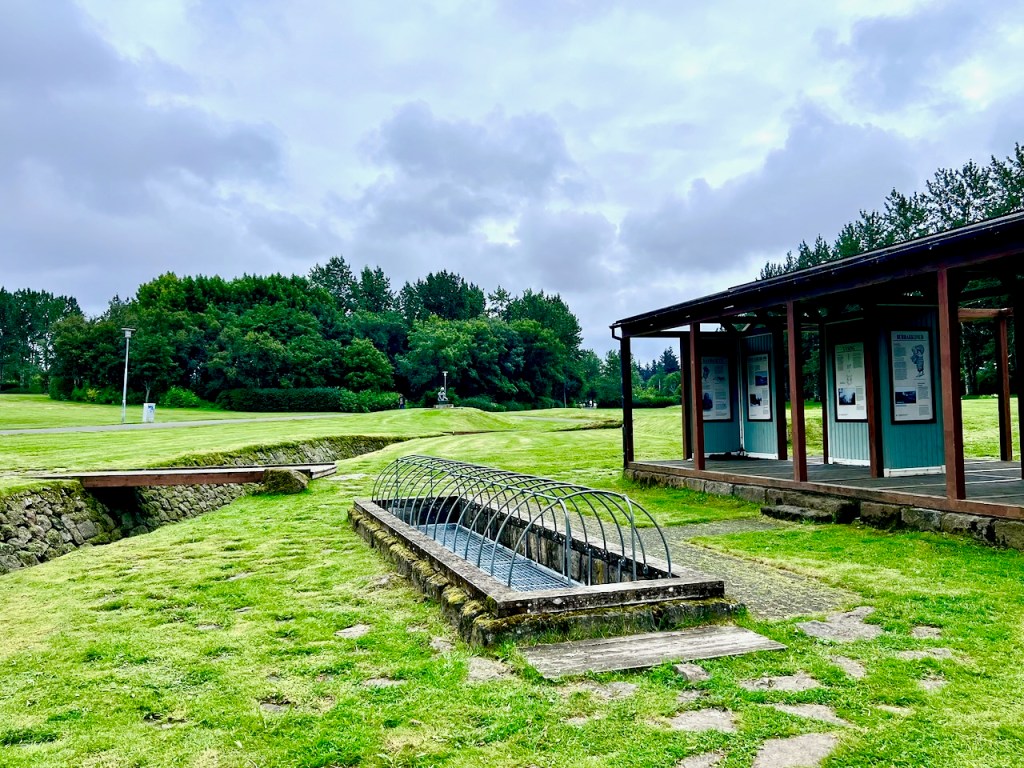
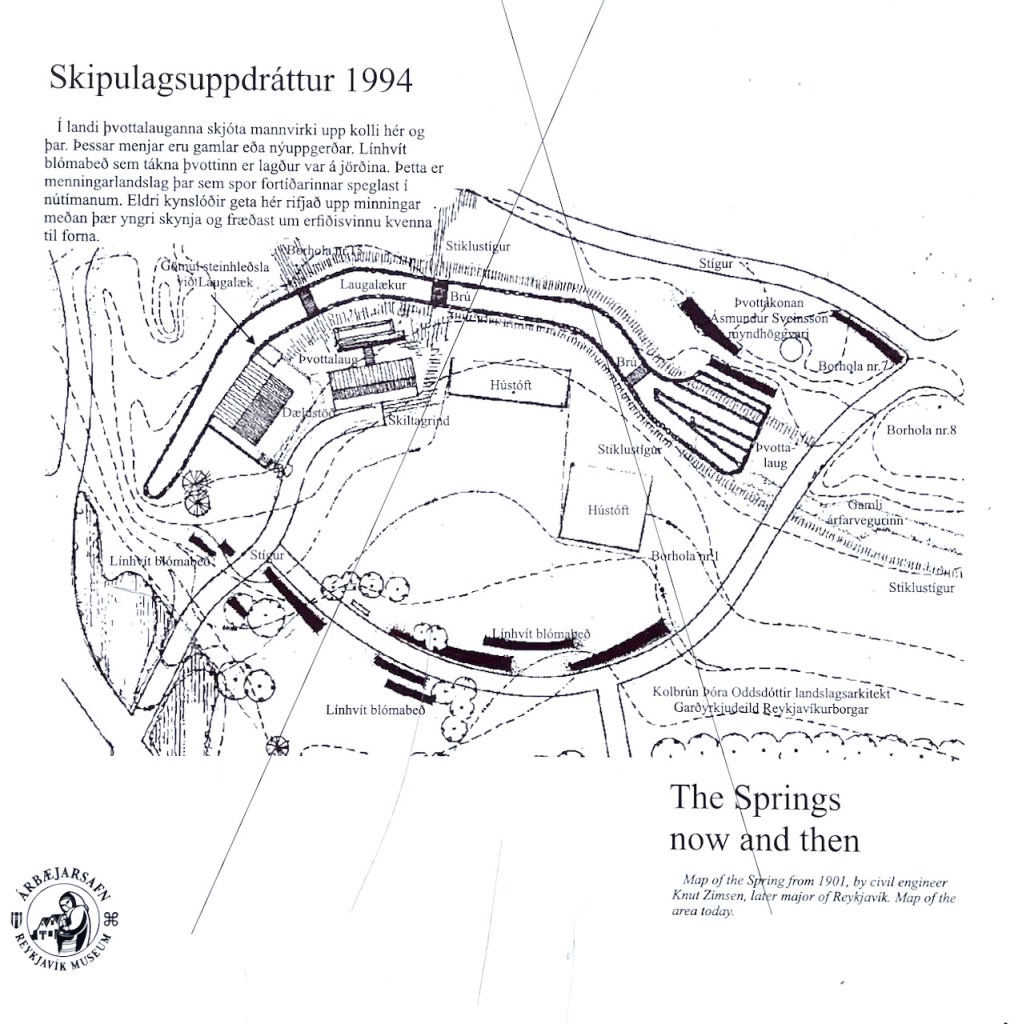
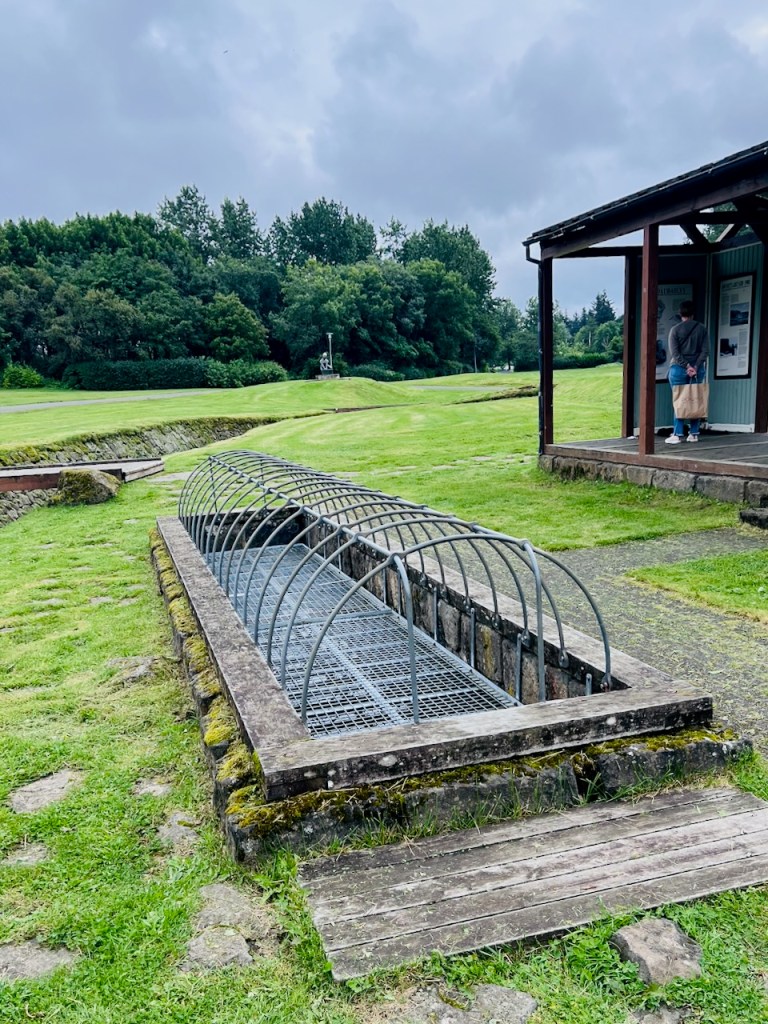
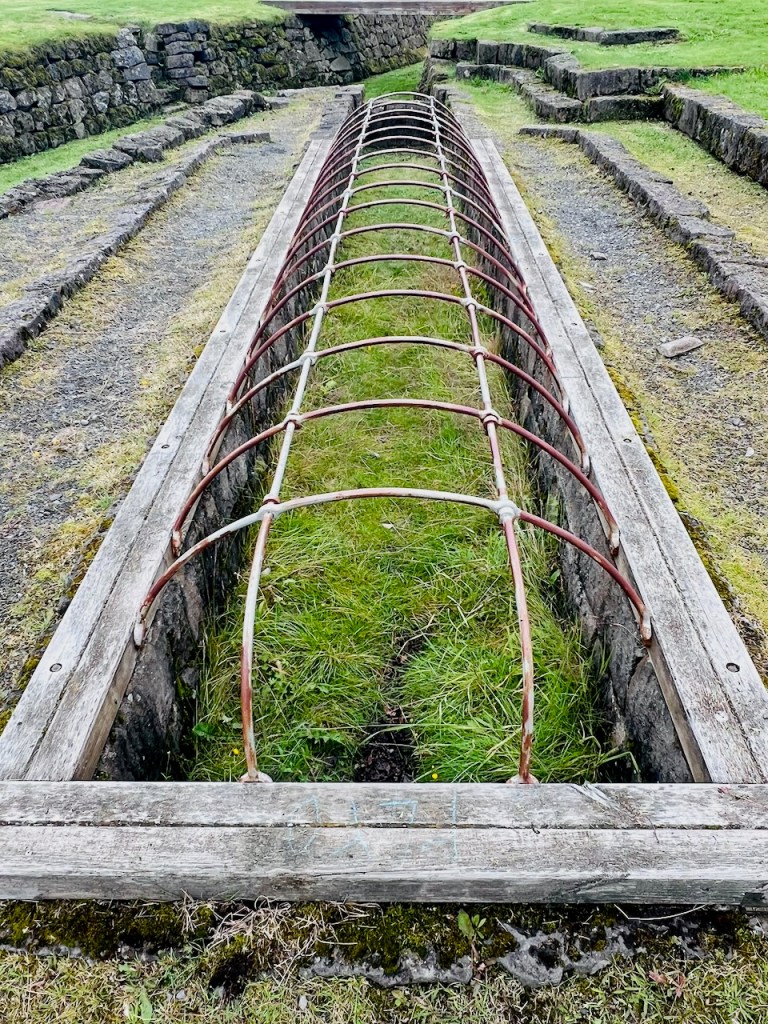
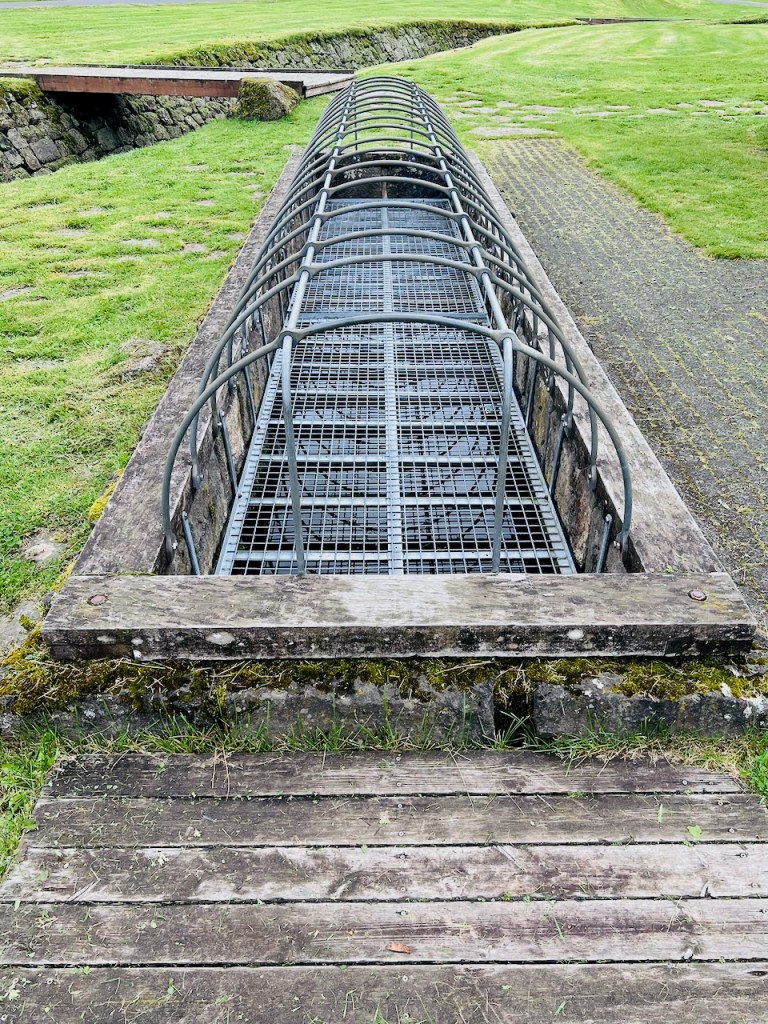
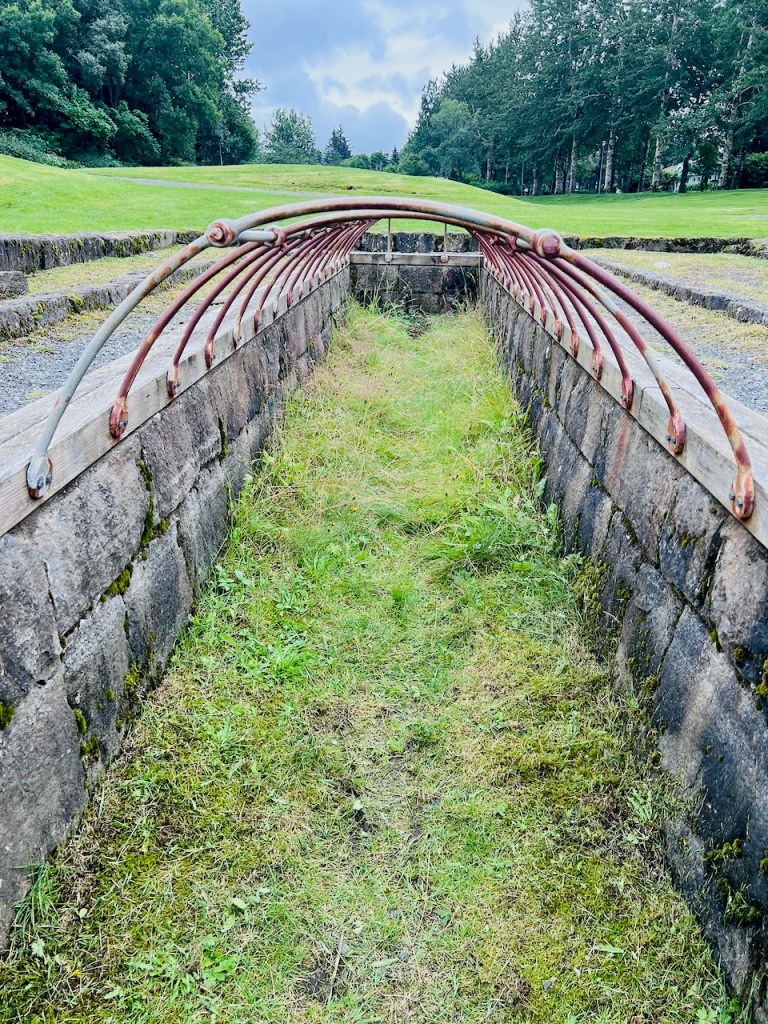
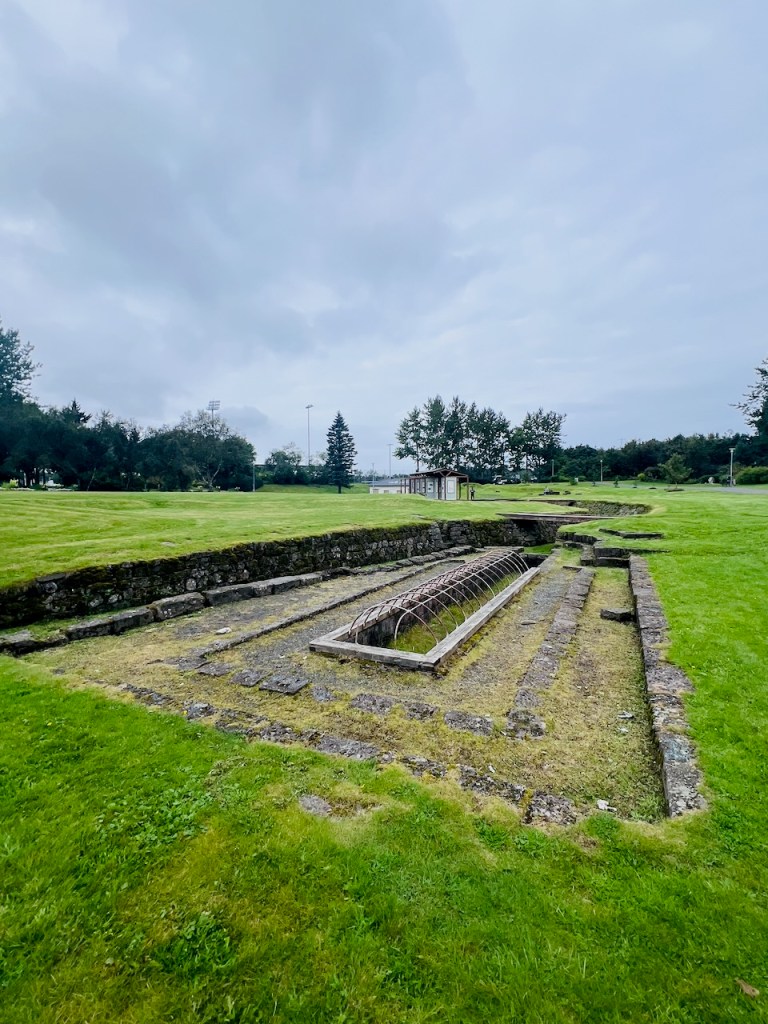
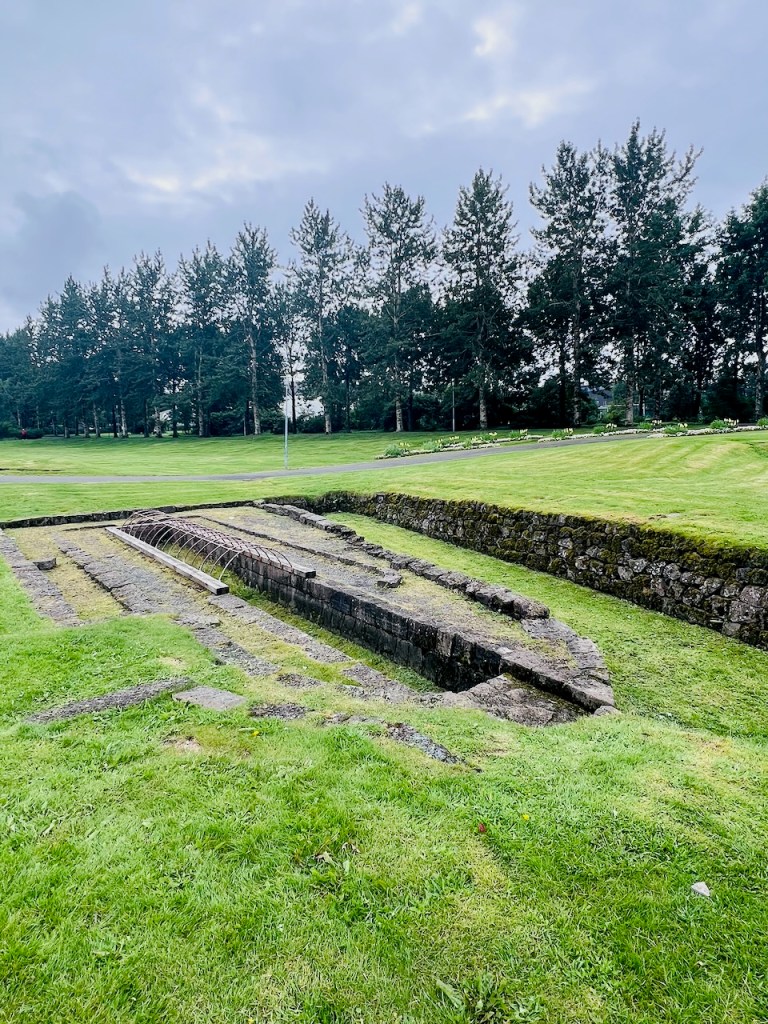
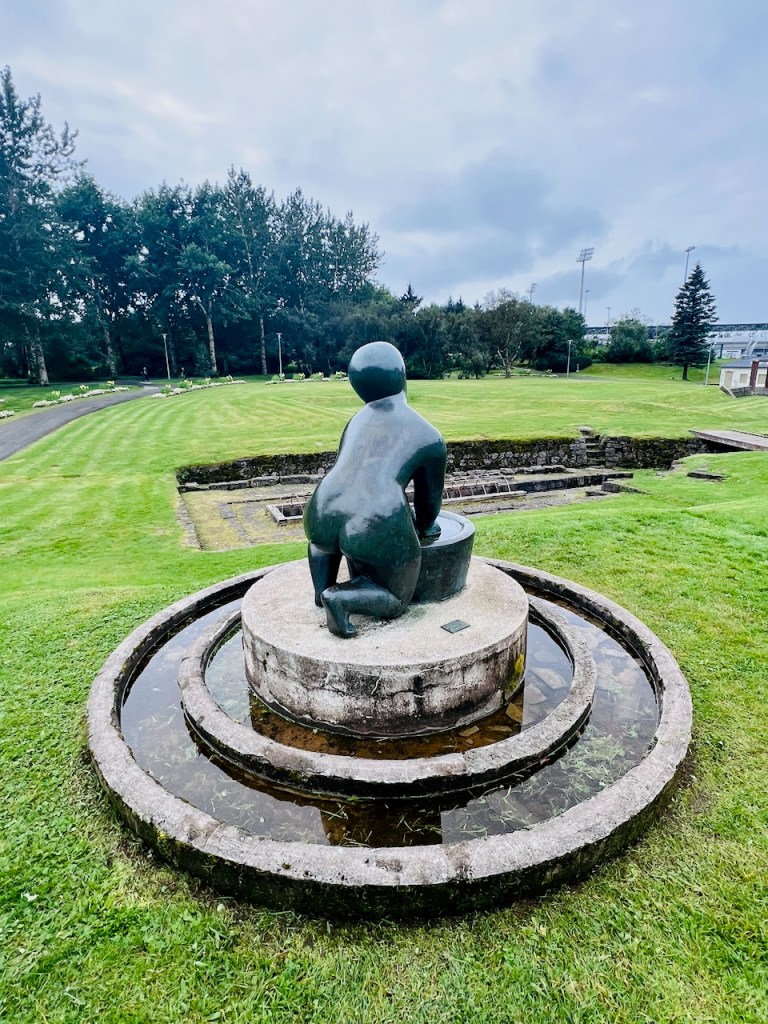
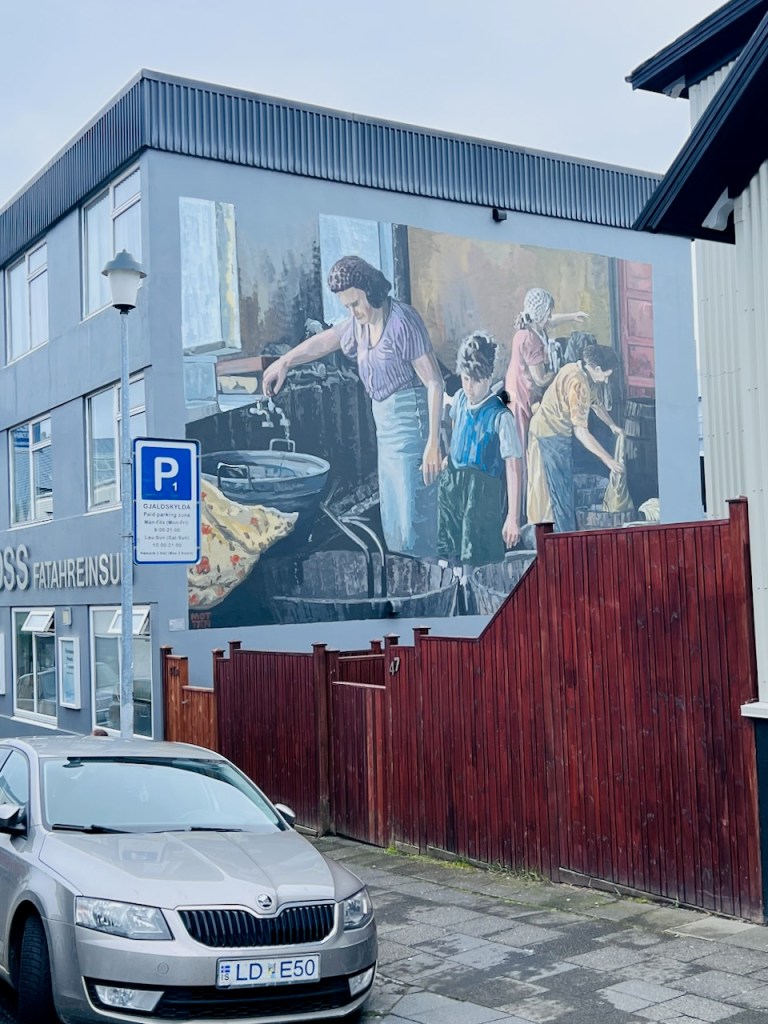
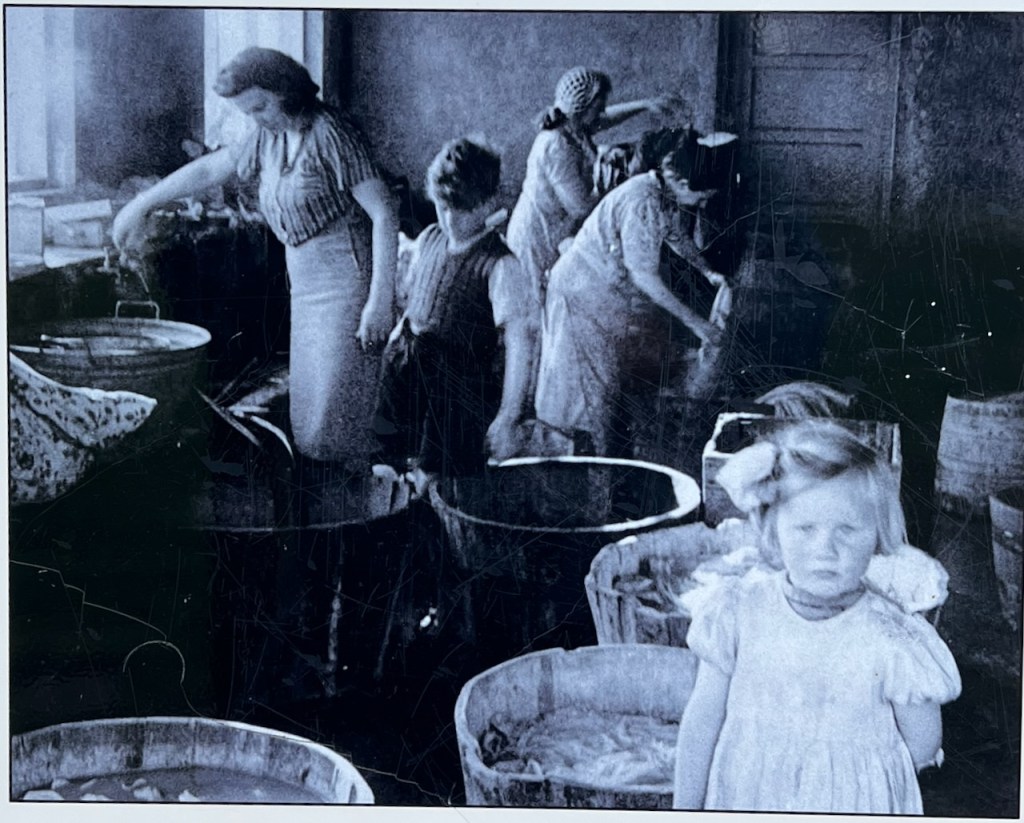
Amazingly, the spring site still exists in much the same form as shown in the postcard above. The stonework, the washing racks, and the foundation of the building shown in the postcard still exist as does another washing rack and another building. As The Bride and I walked from downtown Reykjavik to the springs (without laundry), we stumbled upon a mural depicting women washing clothes in the building. In honor of the site and the women who used it, there is a statue of a woman washing clothes in a basin. The site also had nice interpretive panels in both Icelandic with English summaries (even though, for some unfathomable reason, these dried up springs do not pull busloads of tourists).
Another surprise was how close the city drilled their hot water wells to the springs: literally spitting distance from the wash basins. Drilling wells is expensive, so the city placed the wells at the springs because they knew there was hot water there. If they had known anything about hydrogeology, they would not have placed so many wells in such close proximity to the springs or to each other. The springs were doomed regardless because of the amount of production, but their wells would have been interfering with each other thus requiring more and more wells to achieve the same production levels. Eventually they figured that out. Reykjavik still pulls water from the geothermal aquifer in this area, but I did not see any active wells in the spring area.
And why do I have “Reyklausvik” in the title? That means (I think…) non-smoky bay (so the title means smoky bay to non-smoky bay). Ha!