


So when I roll into town planning to gawk at the site of a long-gone artesian well, I don’t expect to find much. In the case of the well above, as reflected in a postcard from my collection, I only hoped to find the intersection where the well used to be, take a few wistful photos, and ponder the past. So I was pleasantly surprised to find that Arlington’s well has left quite a mark on downtown as it goes through renewal.
Drilled at the intersection of Main and Center streets with a wood-powered steam engine in 1893 during the wildcat boom of artesian well drilling in Texas, the 1,800 foot-deep well flowed at 200 to 300 gallons per minute of brackish water with even horses turning their noses up at the it (although another source suggests horses did drink it). It seems that the well tapped into the lower reaches of the Travis Peak Formation of the Trinity Aquifer (based on information from Leggat 1957). The well doesn’t appear in the Texas Water Development Board’s water well database nor in the Leggat study, but Leggat showed that the deeper wells in the area had total dissolved solids upwards of 1,500 parts per million (anything less than 1,000 parts is considered fresh and anything less the 500 parts is considered tasty for people).

The well started off with a concrete curb around it for the horses:


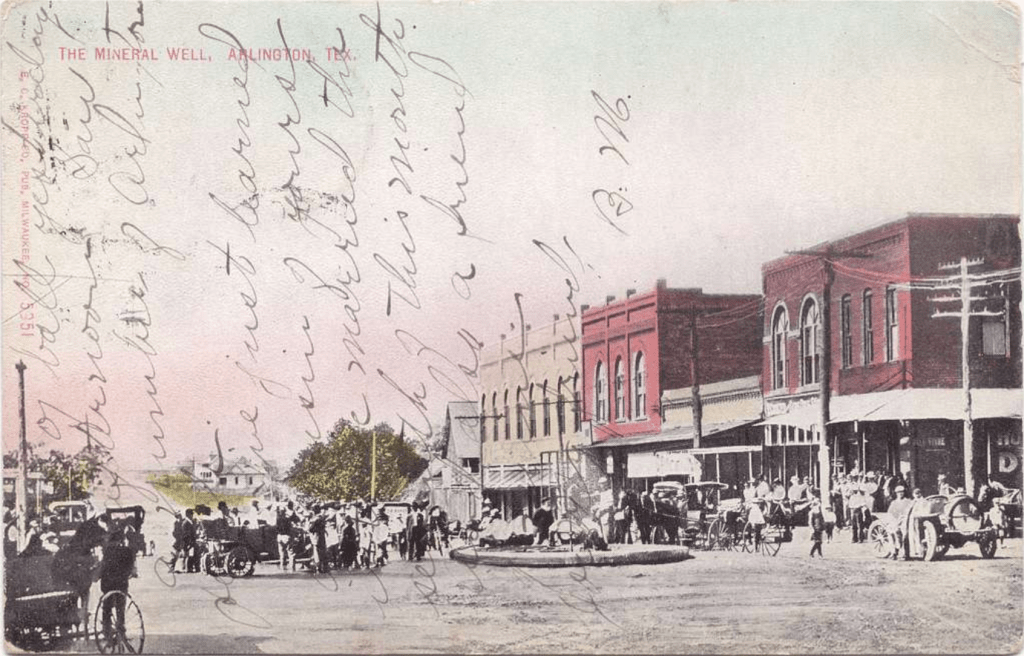
At some point, probably prompted by the “miraculous cures” seen at Mineral Wells on the other side of Fort Worth, people began coming with jugs to take the water home after reports of the water curing headaches, whooping cough, and freckles (!!!). In response, the city created a more ornate fountain with the water flowing out of the lions’ mouths:


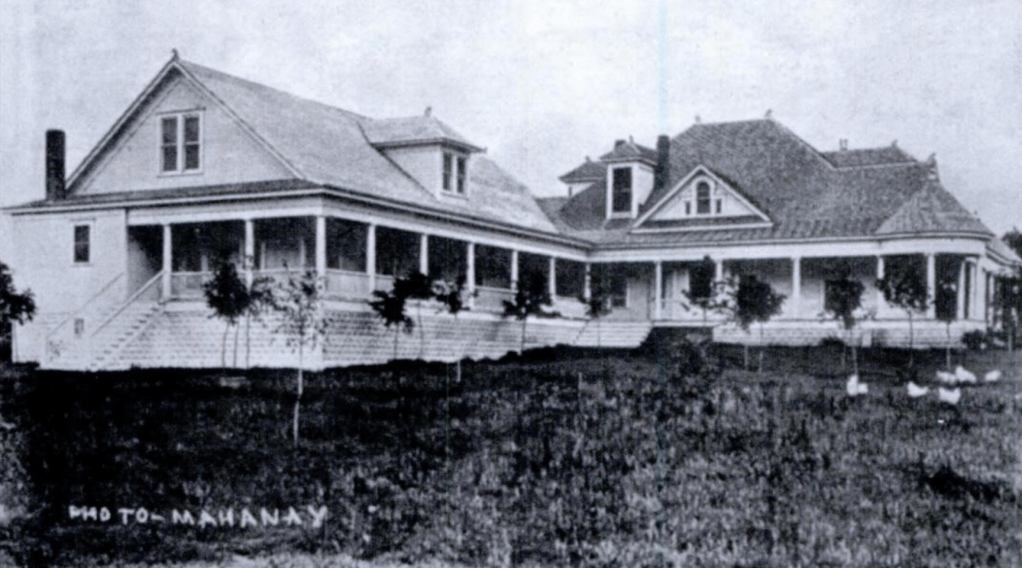
A sanitarium was built to use the mineral water to cure invalids:
By the 1920s, the city replaced the lions with a tall pedestal:

Oddly, the well doesn’t appear in the Sanborn fire maps (here’s one from 1917):

In the 1930s, Gilbert Luke and his family moved from Mineral Wells to Arlington to evaporate the mineral water and sell its crystals as “Arlington Crystals.” The city allowed them to harvest water from the well and build a viewing shed at the wellsite:


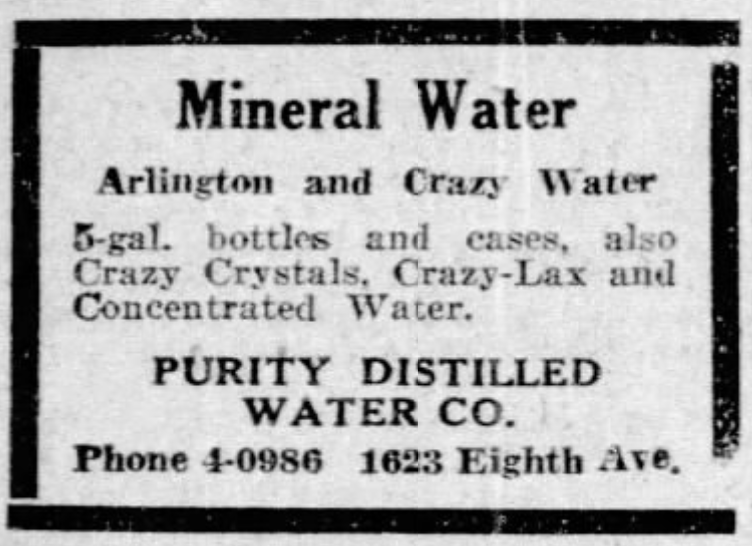


At their peak, they reportedly sold nearly a ton of crystals a day (although that sounds high to me…). However, the Feds started coming down on mineral springs and spas overselling the health benefits of mineral water which caused the industry to falter and fail. As a consequence, the Lukes decided to sell Pontiacs instead. In 1951, the city sadly tore the wellhead structures down, capped the well, and paved over it.

By the 1940s (if not earlier), the well would have stopped flowing and required a pump to produce (a similar well nearby had a depth to water of 267 feet in 1942, 566 feet in 1955, and 859 in 1971).

The well was forgotten for several decades when, for the US bicentennial in 1976, the city erected a reproduction of the lion fountain near the original site. Today, the fountain is in Vandergriff Town Center nearby.

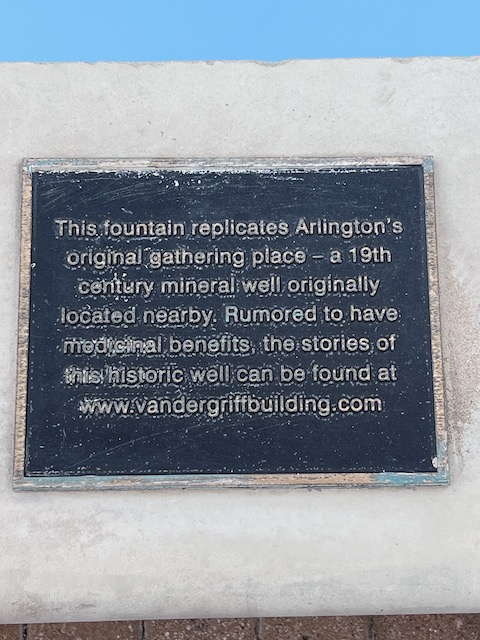
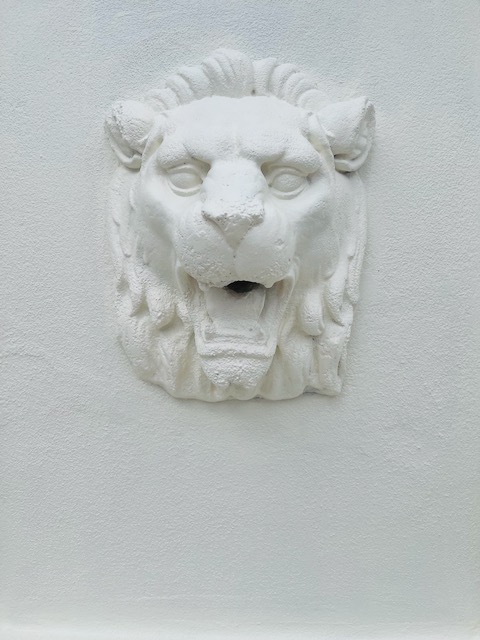
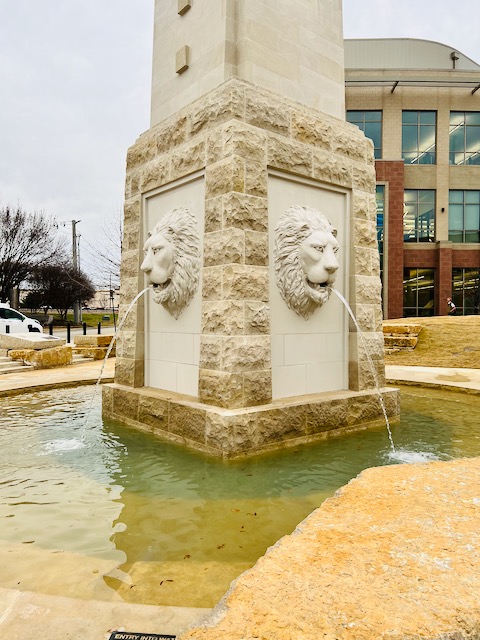
More recently, in a rebranding of downtown, Arlington has adopted the lion fountain motif and created a new fountain and downtown markers as an homage to the well. The Mineral Well Public Plaza officially opened on September 16, 2023.




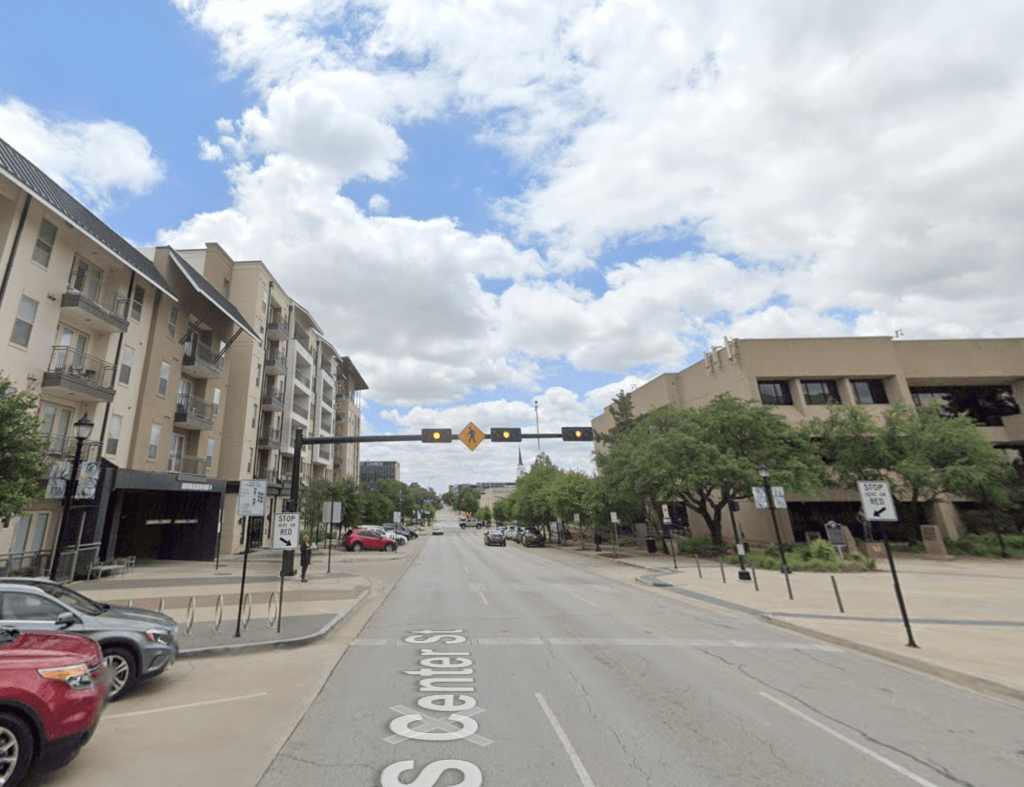
Nothing of the old view still exists. Even Main doesn’t cross Center in the same spot.
sources:
https://www.arlington.org/plan/blog/post/arlington-history-arlingtons-healing-waters
https://www.arlingtontx.gov/news/my_arlington_t_x/news_stories/mineral_well_public_plaza_open
 so secret, occult, and concealed
Good job!!
Sent from my iPhone
<
div dir=”ltr”>
<
blockquote type=”cite”>
LikeLike
those darn feds always have to ruin everything 😂
a super fascinating read. Thank you for posting!
LikeLike